

In 'The Long Walk,' the Scenic Route Is the Only Way Forward
Stephen King's latest film adaptation just might be his best ever.

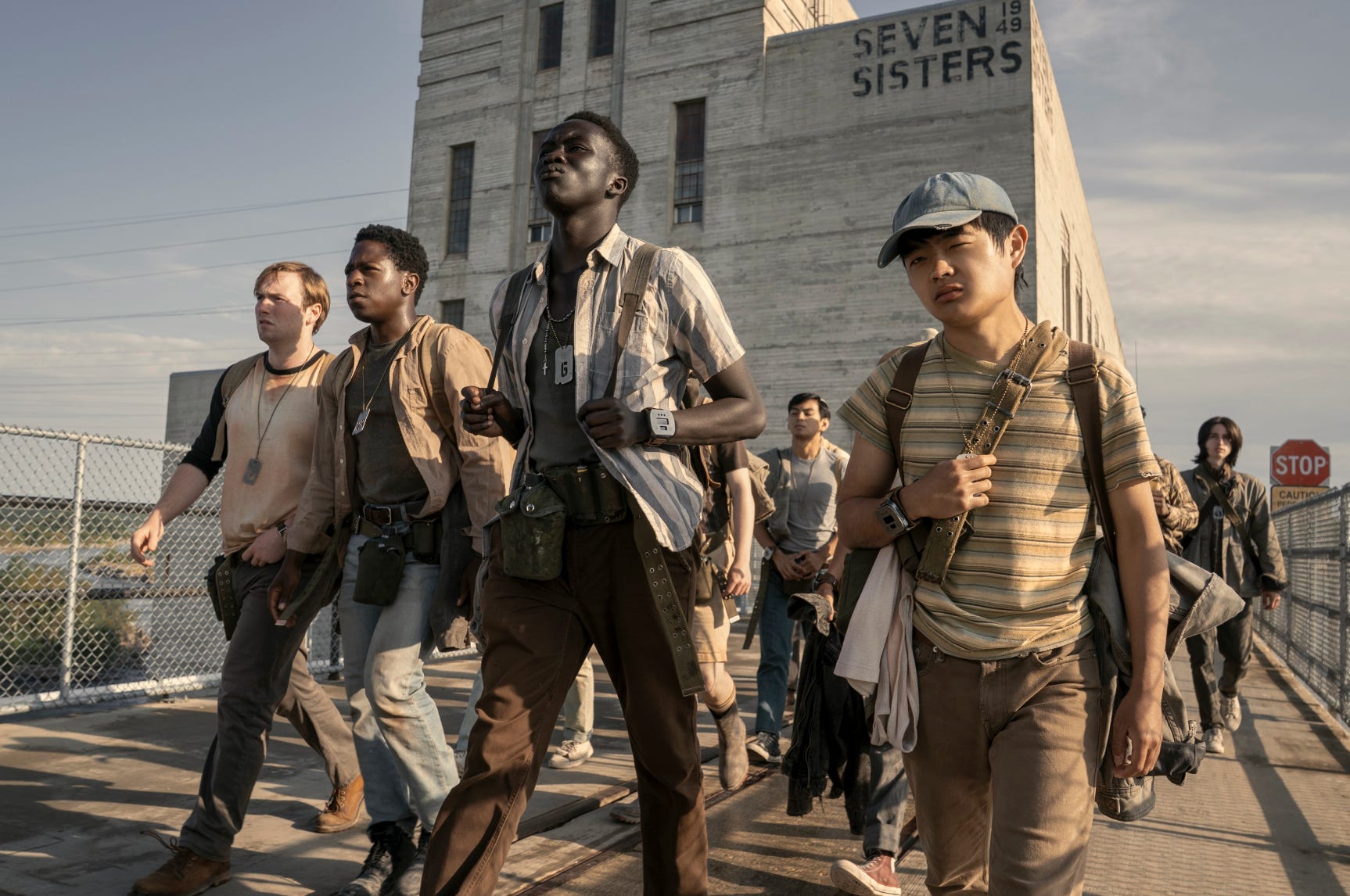
As with all things Stephen King, “The Long Walk” operates under a uniquely morbid premise:
Are you broke as shit and sick of living under a fascist regime ruled by Luke Skywalker the Major (played by Mark Hamill)? Well, boyyyyyyyyyyy, do we have a surprise for you! Because not only do we have an annual walking contest called The Long Walk—where 100 young adults barely old enough to vote compete for the chance to win ungodly amounts of fame, fortune, and shin splints—but if you solemnly swear not to die along the way, we’ll even grant you a wish! But make it good. We are fascists after all.
Okay, okay. There’s a bit more nuance to all of this, but that’s pretty much the gist of King’s latest foray into unbridled lunacy. What’s left of this dystopian America he’s created can best be described as “fucked” and “up,” so in the legendary horror scribe’s perpetually deranged mind, this is the perfect playground to carouse in the human condition—with a healthy dose of brutality riding shotgun.
The rules are simple: maintain a pace of at least three miles per hour, and our contestants—each of whom is escorted by armed soldiers along their pre-determined route—won’t be adorned with bullet holes. But should anyone dare to cramp up, twist an ankle, gawk at Salma Hayek too long, or otherwise fail to maintain that place? Well, ummmm, they die.
Like, a lot. Like, really die.
Like, “Oh, you thought you were dead? Let me shoot you 87 more times just to make sure,” type dead.
Like, dead dead with extra dead instead of extra guac.
Like, Hulk Hogan sharing a bunk bed with Trump Hitler in Hell right now type dead.
But whoever walks the longest gets to keep their life—and, in turn, will be able to afford all the extra guac in the universe as a reward—so charley horse be damned, they better put a little pep in their step.
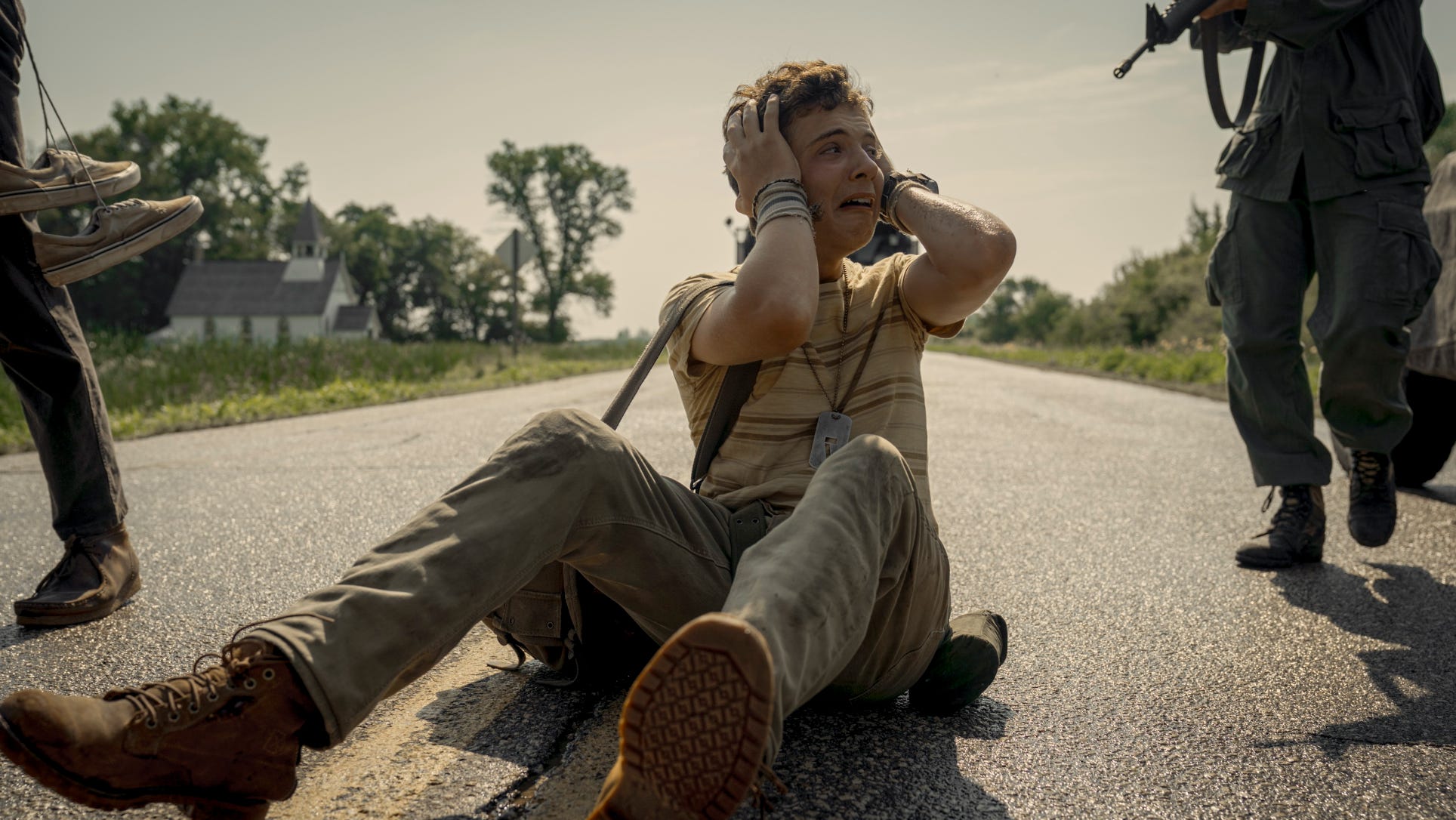
Or else.
The anchor of this treacherous tale is Ray Garraty (Cooper Hoffman), who, like many others on this trek, is keeping a pretty big secret. It’s the type of secret that’s eaten away at his moral fiber and threatens to consume him entirely, but thankfully, he’s balanced out by the unyielding optimism of Pete McVries (David Jonsson). Their philosophical tug of war is a prevailing theme throughout the film as they struggle to grasp the inevitability that surrounds them: A winner won’t be crowned unless every last one of their fellow contestants dies, yet each death feels more agonizing—and inevitable—than its predecessor.
This torment also extends to the audience, as the more we learn about this motley crew of characters and their motives—an ominous quest to unveil the truth behind their lineage; a pregnant wife that was left behind—the harder it becomes to watch each of them meet their fate and be eliminated from the game. These physically and psychologically warped conditions contort newfound friends into foes and the worst of foes into friends as the interpersonal dynamics within the group shift and evolve. Superstitions take on new meaning, and as depravity provides each of these young men with its harshest lesson yet, Ray finally concedes that, yes, there are precious moments in this life that must be savored—even at the cost of someone else’s character.
With over 200 short stories, 65 novels, and 100 adaptations in circulation, calling Stephen King prolific is a gross understatement. But if “The Long Walk”’s endless cycle of guilt, grief, and gratitude teaches us anything, it's the unwavering power of friendship—however fleeting it may sometimes be.